Drug prevention programs play a vital role in reducing the risks associated with substance abuse by increasing awareness, strengthening social responsibility, and providing individuals with the knowledge and skills needed to make healthy decisions.
Psychological rehabilitation focuses on helping individuals develop positive behaviors, improve emotional balance, and regain confidence through specialized programs designed by trained professionals.
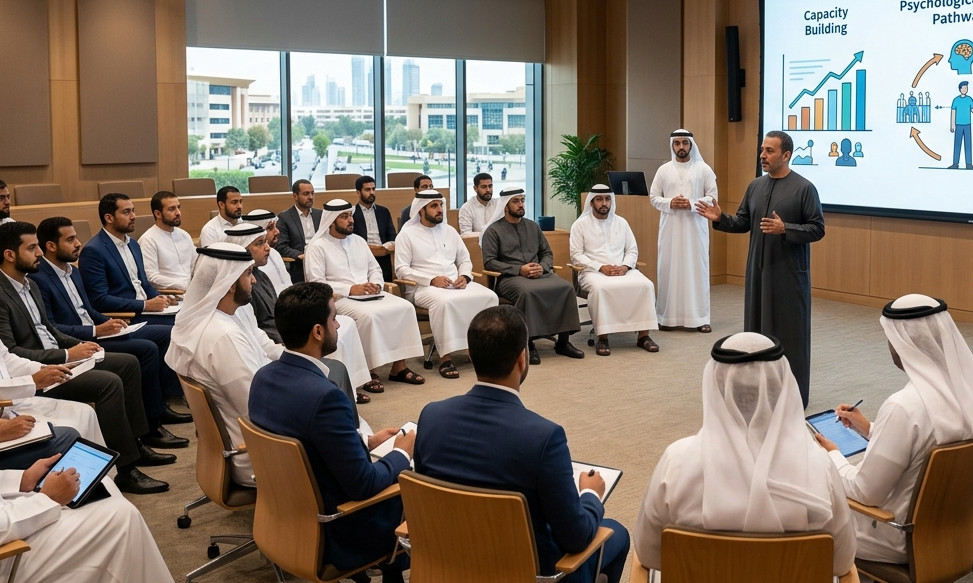
Vocational training contributes to preparing qualified specialists capable of working efficiently in the fields of prevention, treatment, rehabilitation and community awareness.
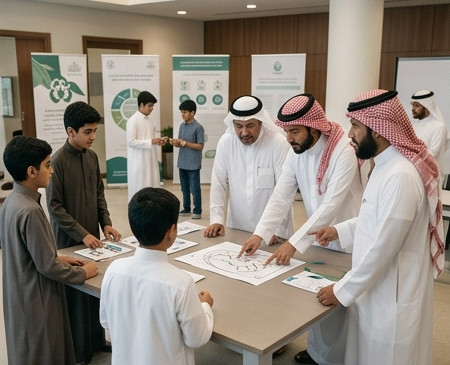
Community awareness campaigns help spread knowledge about addiction risks and encourage families and organizations to participate in prevention efforts.
Specialized workshops provide practical experiences and updated knowledge for professionals working in prevention and rehabilitation centers.
Early prevention strategies contribute to protecting young people by improving awareness, strengthening decision-making skills, and reducing exposure to harmful behaviors.
Scientific research provides valuable insights that support the development of effective prevention and rehabilitation programs based on evidence and professional standards.
Rehabilitation environments require qualified teams, structured programs, and supportive approaches that help individuals achieve positive behavioral change.
The future of prevention and rehabilitation depends on continuous development, advanced training methods, and collaboration between specialists and institutions.